
EDUCATION
-

Designing for Depth: When High Achievement Isn’t the Whole Story
Designing for Depth: When High Achievement Isn’t the Whole Story contributed by Laura Mukerji, InterestEd Educational Solutions In most classrooms,…
Read More » -

How Breaking Words Changed the Way My Students Approach Language
contributed by Alan Davson ‘Anyone who has visited my classroom knows how much I love words. I teach multimedia arts,…
Read More » -
What Is A One-to-One Classroom?
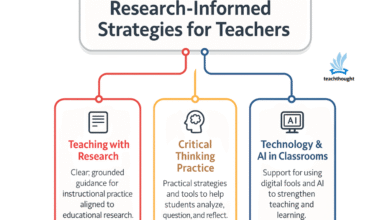
One-To-One Classroom Related Terms: 1:1 Technology · One-To-One Computing · Blended Learning · Personalized Learning · Digital Learning · One-On-One…
Read More » -
What Is A Whataboutism? | TeachThought
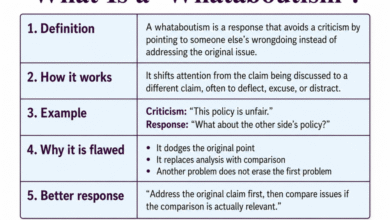
What Is Whataboutism? Whataboutism is a rhetorical move in which a person avoids responding to a criticism, claim, or question…
Read More » -
An Updated Guide To Questioning In The Classroom
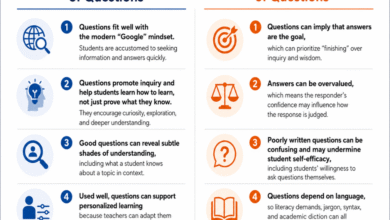
by Terry Heick If the ultimate goal of education is for students to be able to answer questions effectively, then…
Read More » -
10 Ways Teachers Can Use AI To Save Time
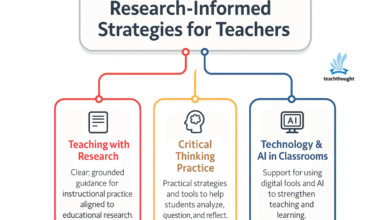
Every modern teacher recognizes a familiar tension. Artificial intelligence is completely reshaping the web, but classrooms still run on genuine…
Read More » -
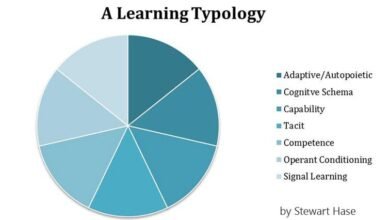
A Learning Typology: 7 Ways We Come To Understand
contributed by Stewart Hase, Heutagogy of Community Practice This typology is an attempt to redefine how we think of learning in modern…
Read More » -

Recognizing Early Expression in Multilingual Young Children
contributed by Iryna Liusik, Early Childhood Educator — Linguistics & Emotional Development Series note: This is Part 1 of a…
Read More » -
Home
TeachThought Practical ideas, strategies, and research-informed resources for your classroom. Critical Thinking, Project-Based Learning, Literacy, and a return-to-basics approach to…
Read More » -
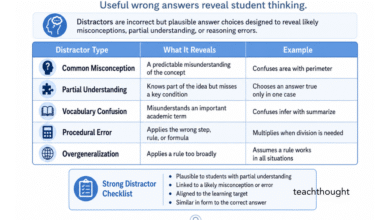
What Are Distractors In Multiple-Choice Questions?
Assessment Design Distractors are the incorrect answer choices in a multiple-choice question. When they are well-designed, they do more than…
Read More »